
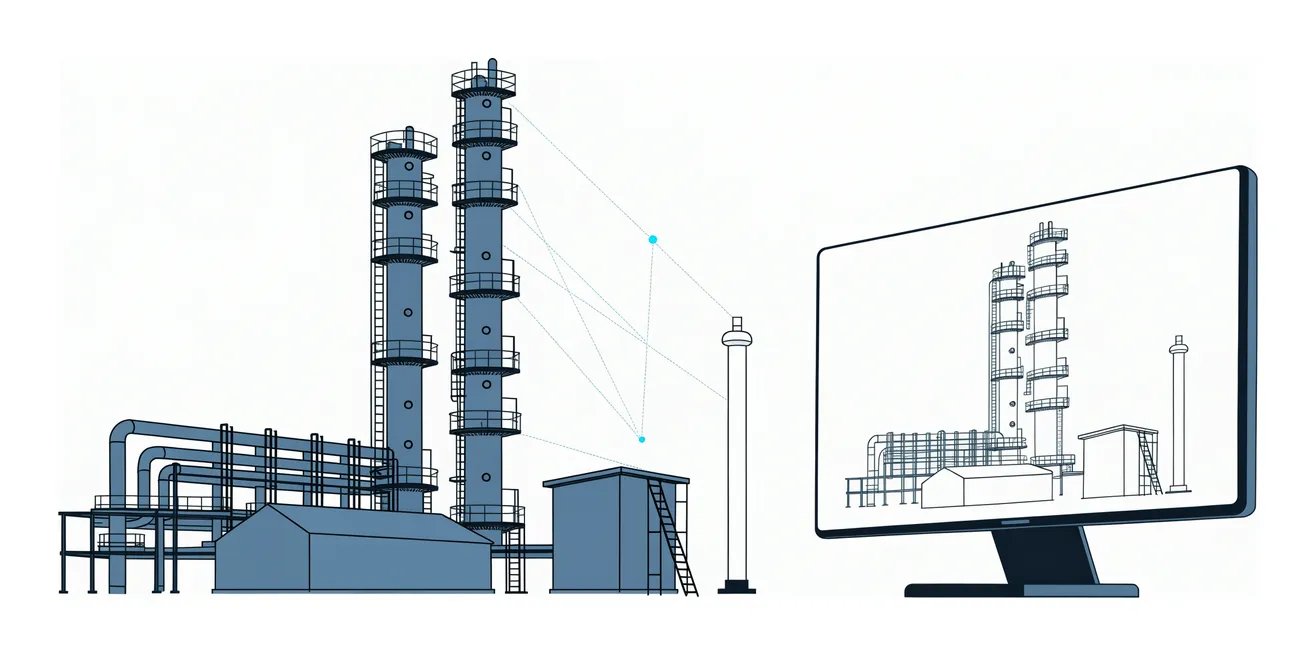
Where does Maestria OPS bring value?
Many high-hazard operators keep AI at pilot stage, or deploy it without the controls their safety case assumes. Maestria OPS does not install a new system beside yours. It builds AI and digital systems into your management system and existing processes, so that they reach operations and stay safe. Your own aims for AI and digital are the main yardstick, alongside the law and good practice, and the work happens inside production, under management of change, with the barriers that prevent major accidents in view.
Implementation
When you bring in AI, I work through the management system you already run and adapt it where AI changes the picture: management of change, risk assessment, competence, procedures, barrier management, monitoring and records. Findings land with owners who already have a route to act, a budget and a regulator who recognises the standard.
Assurance
Before an AI system enters a decision that affects a barrier, I check what it can and cannot see: its inputs, its training data, the operating domain its vendor declares, and how it behaves when inputs degrade. I also check the stop function and the fallback when the system is unavailable.
Audit
I audit AI management systems and AI risk assessments, and join audit teams as the AI specialist for a specific audit. How audit support works.
Compliance
Each action is traced to the legal requirements that apply to your operation, starting with the major-accident and process safety duties you already work under (the Seveso III Directive, COMAH, OSHA process safety management, Havtil’s regulations in Norway) and, where it applies, the EU AI Act. The legal scope is agreed for each engagement. Each action is also traced to recognised good practice: ISO/IEC 42001, IOGP Report 817-1, the NIST AI Risk Management Framework (NIST AI 100-1) and DNV-RP-0671.
How do I work? The M-OPS service range
M-OPS is the Maestria OPS service range. It takes you from an initial conversation to AI running inside your operation.
Initial conversation
You describe the AI or digital system and where it touches your operation. I tell you whether and how I can help.
AI integration briefing
Half a day, on site or online, with your operations, process safety or technical authority lead and the owner of the AI system. We take one AI use you run or plan and walk it through the M-OPS OMI framework: the requirements and opportunities that apply, where they sit in your management system, the first gaps and blockers, and what to fix first. Within a week you receive a two-page note with the gaps, the priorities and a proposed scope for the assessment.
Fee: EUR 3,500 excl. VAT, credited in full against the M-OPS OMI assessment. On site, travel and subsistence are charged at cost, agreed in advance.
M-OPS AssessAssessment, gaps and a prioritised plan
Your management system is assessed against the legal requirements in scope, industry good practice and, most importantly, your own aims for AI and digital. Where those aims are not yet set, I help you develop them, starting from the largest gains your current business and systems allow.
You receive a report with each gap and blocker, ranked, and a plan to close them, with owners and actions, built into your existing procedures and governance.
M-OPS IntegrateAdvice and coaching during implementation
I work with your teams while the plan is carried out, including changes to governance, and coach as far as your organisation needs, across cultures.
M-OPS AssureA check before the AI system goes live
I check what the AI system can and cannot see: its inputs, its training data, the operating domain its vendor declares, and how it behaves when inputs degrade, as well as the stop function and the fallback when it is unavailable.
M-OPS ReviewAudit once it is in use
I audit AI management systems and AI risk assessments, or join your audit team as the AI specialist for a specific audit. How audit support works.
Which situations does Maestria OPS help with?
Four typical situations. They are illustrative: the organisations are composites, not clients.
- Operator · AI in productionAI deployed, no gains on the bottom lineAI tools have run in maintenance and production for some time. The costs are visible; the gains are not. M-OPS checks the tools against your own aims and finds where the management system stops them changing decisions: no owner, data not used, procedures unchanged. You get a prioritised plan to capture the gains.
- Operator · AI not yet startedUnder pressure to adopt AI, not sure where to startThe board and competitors are moving, and nobody wants to miss out or make a costly mistake. M-OPS helps you set your aims for AI and digital from the largest gains your current business and systems allow, shows what your management system must change first, and helps you choose a first use.
- Operator · Shadow AIShadow AI everywhereStaff use general-purpose AI assistants for procedures, permits, risk assessments and reports, outside any approval. M-OPS finds where the tools are used and which decisions they reach, then brings them under the document control, management of change and competence rules the site already runs, with clear permitted and prohibited uses.
- Gas processing · Worst caseAn AI-supported decision and a major accidentA predictive maintenance model supports a deferral that every reviewer accepts, and a cold box fails outside the model's view. The Corlinda case shows how, and what an integration review would have asked.
What is M-OPS OMI?
M-OPS OMI (Operations Management Integration) is Maestria OPS’ proprietary framework, behind every M-OPS service. It maps your AI and digital systems onto the management system you already run, to identify quickly the gaps and blockers that prevent delivery. It then builds a structured plan to close them and makes that plan operational. How M-OPS OMI works, and illustrative cases of the gaps it is designed to find.
What does Maestria OPS bring?
- About 30 years in oil, gas and chemical operations
- 1,000+ people in one operating organisation I managed
- 50+ management system audits and improvement plans delivered worldwide
- 48 apprentice technicians in a national operations team I built
I have led major hazard operations and stood up the organisations that run new facilities, and I have designed, audited and improved the management systems behind them. About the founder.
Why is AI not delivering in high-risk industry?
Fewer than one in five energy and natural resources executives surveyed by Bain & Company in 2026 said their companies were scaling AI with measurable impact. In high-hazard operations the reasons go beyond technology. Why AI is not delivering.
The potential
NIST also states the other side: AI has “significant potential to transform society and people’s lives”, and with proper controls it can reduce the risks it brings. The Canadian, UK and US nuclear safety regulators put it more strongly: “The unique capabilities of AI also make feasible activities that are not achievable by either conventional technologies or humans, creating opportunities to directly and indirectly improve safety, security, and efficiency” (CNSC, ONR and NRC, 2024). In high-hazard operations the gains sit where the stakes are: earlier detection of equipment degradation, better use of the data plants already collect, support for control rooms and maintenance planning, and faster learning from incidents.
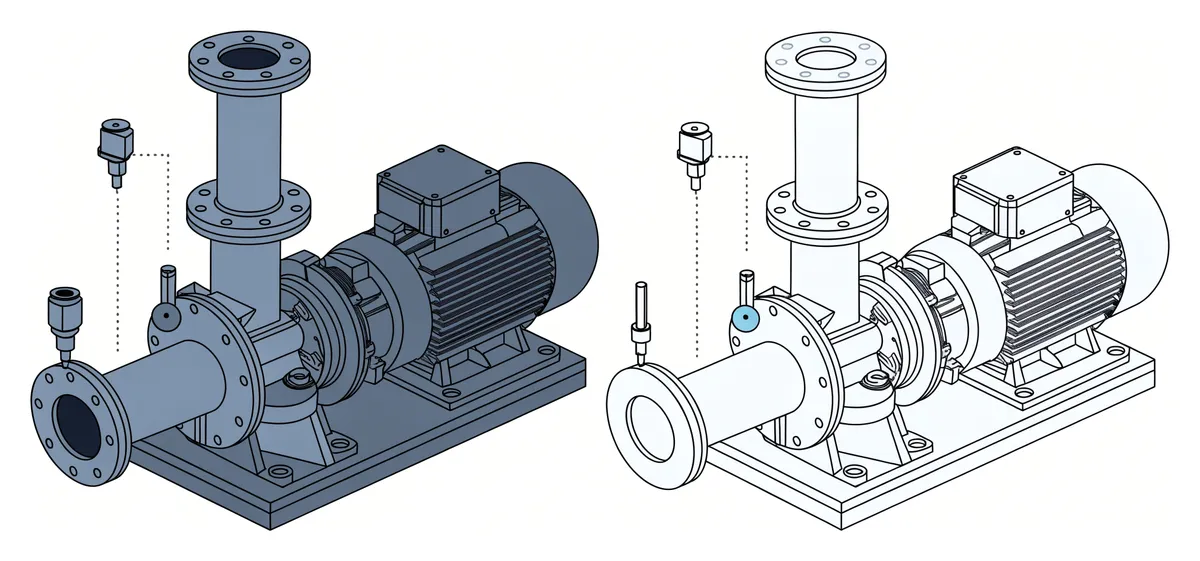
Governments are pushing AI into their energy sectors. On 6 October 2026 Kazakhstan’s Minister of Energy announced AI projects expected to yield about 23 billion tenge a year (about USD 51 million), aimed at more accurate forecasting and planning, fewer accidents and fewer incidents, with a digital twin already piloted on an oil field. The governance planned for the end of 2026 is a register of AI solutions, an IT architecture for digital twins and a cybersecurity architecture (Government of Kazakhstan). Process safety, barriers and management of change are not on the list.
The operators that gain most will bring AI inside the safety management system they already run, applying the same management of change, competence, barrier and audit disciplines to a new kind of system. They can then deploy with evidence a regulator recognises, and move from pilot to operations while others are still deciding.
Discuss an AI project
Tell me what you are deploying, or planning to, and where it touches your operation. We start with an initial conversation. I reply personally.
Contact Maestria OPS